Rick Wolff: NYS Baseball Hall of Fame Induction Speech, delivered by John Wolff
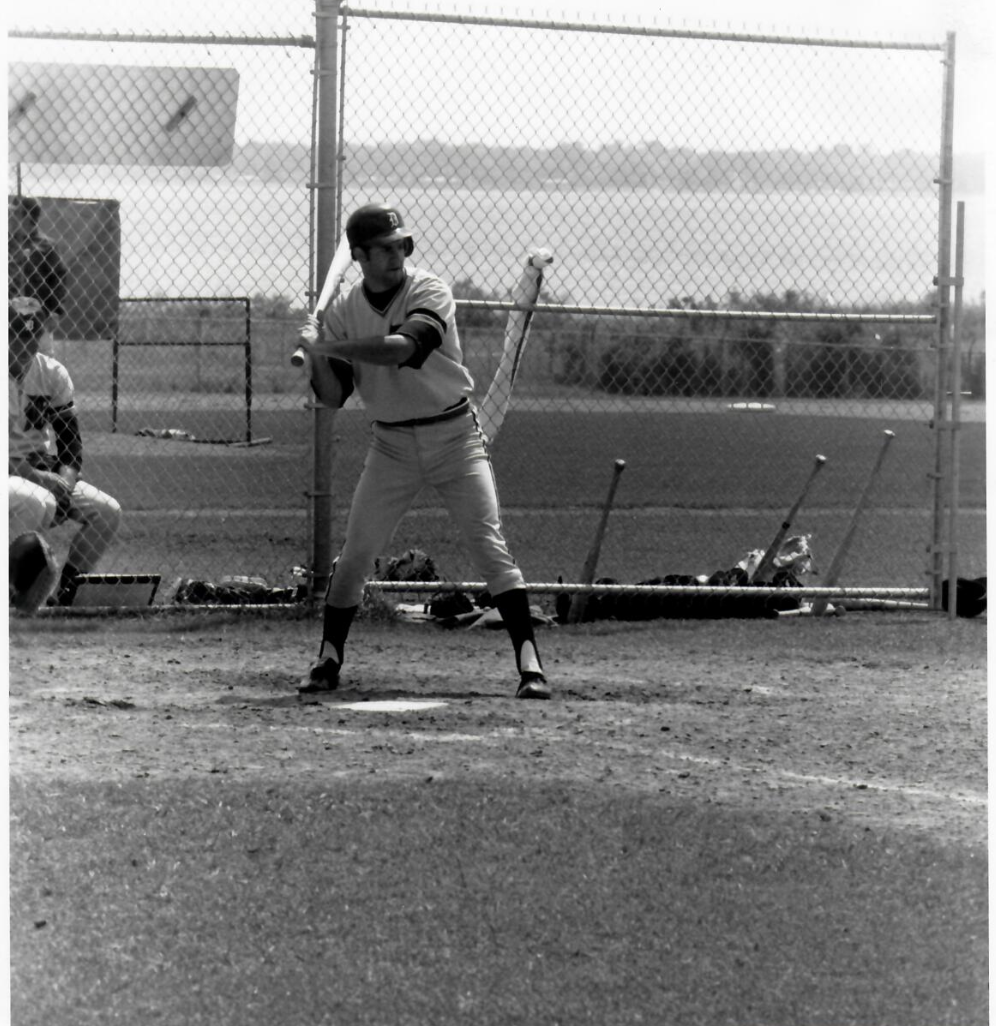
The New York State Baseball Hall of Fame ceremony was on November 9, 2025.
John Wolff, Rick’s son, delivered this speech at the event. Please enjoy.
Good evening, everyone.
On behalf of the entire Wolff family, I want to express our deepest gratitude to the New York State Baseball Hall of Fame for honoring my father, Rick Wolff, with this incredible distinction.
My dad would be so proud - and so humbled - to know that his life’s work has been recognized under a title he lived every day — Ambassador to the Game of Baseball.
I want to thank Rene LaRoux for his leadership and for believing my dad’s story belonged here, and to Pat Geoghegan and Kevin Gallagher, whose passion and persistence helped make this possible — thank you all from the bottom of our hearts.
My dad’s baseball journey began at Edgemont High School in Scarsdale, New York, where he was a four-sport varsity athlete, setting records in both football and baseball that stood for decades.
He went on to play college ball at Harvard, helping lead his team to the College World Series, and was later drafted in the 33rd round by the Detroit Tigers. His summers were spent back home, playing in the Atlantic Collegiate Baseball League for the legendary Al Goldis, where he earned All-Star honors.
My dad loved telling stories — and he was a great storyteller. Whether we were in the car driving to one of my tournaments or trading emails years later, he was always sharing memories and lessons.
One of the teammates he often spoke about is here tonight: Jeff Natchez. Jeff and my dad played together in the Tigers organization in Clinton, Iowa. My dad would reminisce about the long bus rides, the cheap motels, and the teammates who became family.
He once wrote Jeff a letter about that summer — about the cramped clubhouses, the smell of dog chow drifting in from the plant next door, and those 4 a.m. truck-stop breakfasts between games.
He wrote, “The most important thing in my life then was trying so hard to get a hit or two each night. I had to deal with a lot of oh-fer games, but I look back on that summer with great joy.”
That was 1974.
That was my dad — he saw joy in the struggle, meaning in the hard work. He believed that baseball, like life, was less about the outcome and more about the journey.
And he often quoted one of his favorite lines from Jim Bouton’s Ball Four:
“You spend a good piece of your life gripping a baseball, and in the end, it turns out it was the other way around all the time.”
That line was his truth. Baseball never let go of him — and honestly, he never wanted it to.
When he was 37 years old, he was assigned to write a story for Sports Illustrated with the South Bend White Sox in the Class-A Midwest League.
He wasn’t supposed to play — he was there to observe and write about life in the minors. But during the very first game, a fight broke out and several players were suspended.
Now, this was 1989. He hadn’t played professional baseball in more than 15 years, but suddenly my dad was needed at second base.
He joked that the glove he took onto the field was actually older than most of his teammates. And somehow, after all those years, he went 4-for-7 with a double and three RBIs. By Monday morning, he was back at his publishing job in New York City — but if you look up the 1989 Midwest League stats, you’ll still find his name: Rick Wolff, .571 average — the highest batting average in the league.
When South Bend won the division and the championship later that year, they gave him the key to the city and a championship ring.
That story still makes me smile — because it captures who he was: joyful, competitive, and completely devoted to the game.
After his playing days, his passion shifted from performance to development. He loved helping others — players, students, colleagues — reach their potential.
At Mercy College in Dobbs Ferry, New York, where he coached for eight seasons, he poured his heart into building a program that believed in people as much as it believed in winning. That said, he continues to have the highest winning percentage in school history.
Mercy wasn’t a big-budget Division I program, but to him, it was the perfect place to mold both talent and character.
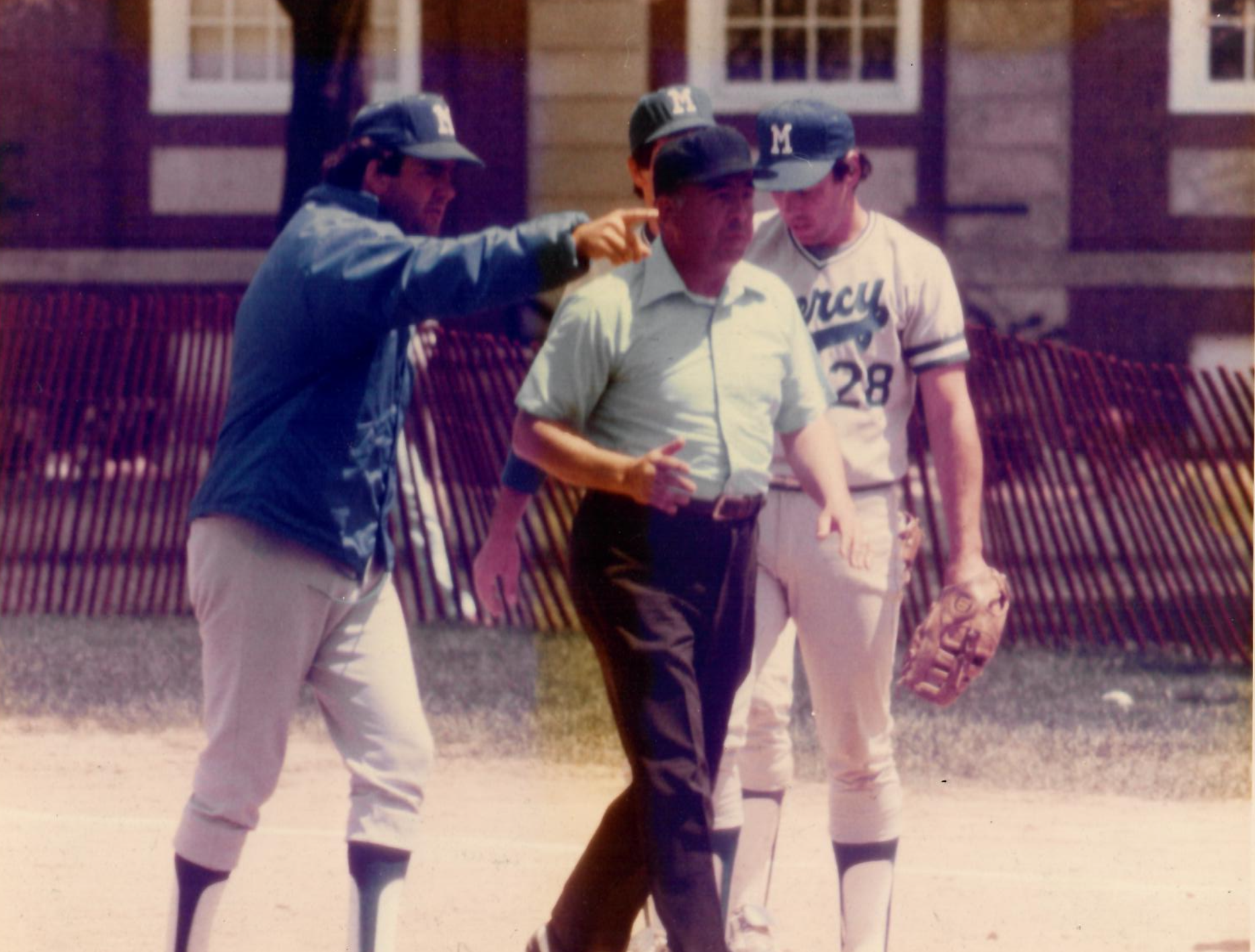
Mercy College
He found players others overlooked — the 26-year-old freshman just back from the military, the mailman who’d finish his route, park his truck by the field, and start launching balls over the fence.
He knew that greatness often hides in plain sight.
His Mercy teams punched above their weight, taking on Division I opponents who thought they’d get an easy win. After a few upsets, those schools stopped returning his calls.
My dad loved that.
He loved proving that heart and preparation could compete with pedigree any day of the week. Those years at Mercy were among the happiest of his baseball life.
Before sports psychology was a buzzword, my dad was already living it.
In the 1980s and ’90s he joined the Cleveland Indians organization as one of the first mental-skills coaches in Major League Baseball.
He helped young players like Jim Thome, Manny Ramirez, Carlos Baerga, Kenny Lofton, and Sandy Alomar Jr. handle the mental side of pressure — long before anyone else in the game was really talking about it.
He wasn’t just helping players hit or field better; he was helping them think better.
He taught them how to manage failure, how to visualize success, and how to believe in themselves.
When tragedy struck in 1993 — the boating accident that claimed the lives of Tim Crews and Steve Olin — he helped the team heal.
Carlos Baerga, who’s here tonight, has told me how much my dad’s steadiness and compassion meant to that clubhouse.
Cleveland had some exceptional teams in those years, and although the 1994 strike may have cost them a World Series, they came roaring back in 1995 — and my dad was awarded a championship ring when they won the ALCS. He cherished it for what it represented — a family that pulled together.
But no matter how far the game took him, he never lost touch with his New York roots.
He spent years playing semi-pro ball for the New Rochelle Robins, often leading the team in hitting. Those weekend afternoons meant everything to him — the competition, the camaraderie, and the sound of the game echoing across a local park. It brought him back to where it all began, to the pure joy of playing high-level baseball in New York.
Many people here knew my dad as the host of The Sports Edge on WFAN — his Sunday-morning radio show where parents, coaches, and fans tuned in for his thoughtful, measured take on youth and amateur sports.
In an era when sports talk was often loud and sensational, he was the opposite — calm, fair, and deeply empathetic. He wasn’t there to stir controversy; he was there to teach.
Through his books, his broadcasts, and his work as an editor, he shared wisdom that reached beyond baseball. His lessons weren’t about how to win games — they were about how to live your life with integrity, resilience, and grace.
For all he accomplished professionally, my dad’s greatest pride was his family.
My mom, Trish, was his best friend and his biggest supporter — they were truly a team. My sisters and I were his world.
At home, he was the same man people admired publicly — steady, kind, quietly funny, and endlessly patient. He believed in teaching, even when we didn’t realize we were being taught.
He once gave me a bound stack of pages for my 16th birthday — something he called “The Book of Lectures.” Inside were dozens of reflections on life — some serious, some funny, all filled with the same curiosity and warmth that defined him.
But for me, the truest version of my dad was on a baseball field during batting practice.
That was our thing. From the time I was a kid, we communicated through batting practice.And even into his seventies, he could still throw great BP. His arm never seemed to tire.
We’d find a local field — any field with an L-screen really — and we’d hit until dusk. He’d throw, I’d swing, and we’d talk about life while shagging balls together. Those quiet walks through dusty fields, that proud smile when I really connected — that’s where our relationship lived.
It didn’t matter how old we were or what else was happening in life. When we were out there, it was just us — father and son, coach and player, two guys who loved the sound of a wooden bat meeting a baseball.
My dad’s story — from Harvard to the Tigers, from Mercy to Cleveland, from publishing houses to WFAN — is remarkable.
But the real story of Rick Wolff is one of impact.
He made everyone around him better — whether you were a teammate in Clinton, a player at Mercy, a major leaguer in Cleveland, or a kid in the backyard learning to hit line drives.
He believed in the power of baseball to teach life — and in the power of kindness to make that life worth living.
So tonight, as we celebrate his induction into the New York State Baseball Hall of Fame, we want to say thank you — not just to this Hall, but to everyone who ever shared the field, the dugout, the press box, or a conversation with him.
And most of all, thank you, Dad — for your love, your lessons, and your example.
You showed us how to compete with integrity, how to care deeply, and how to find joy in every swing.
We miss you. We love you. And if you were here tonight, I know exactly how we’d celebrate this honor tomorrow morning — by taking batting practice.
Thank you.

Rick Wolff Named to NYS Baseball Hall of Fame
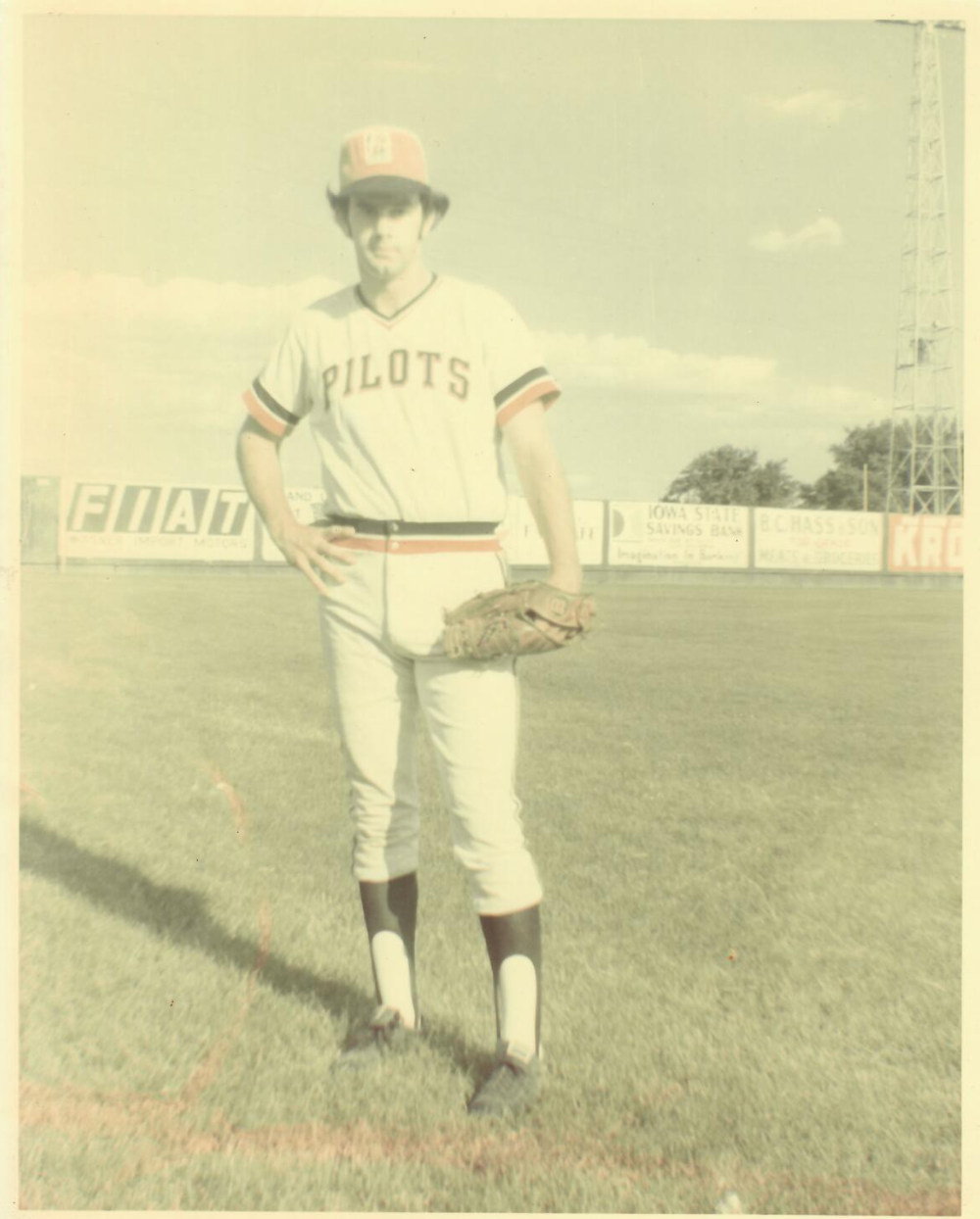
Rick Wolff, Clinton Pilots
The Wolff family is thrilled to share that Rick Wolff was named to the New York State Baseball Hall of Fame this year.
Rick Wolff was lucky enough to have two loves of his life: his wife, Trish Wolff, and baseball. As a natural athlete, Rick played (and excelled) at almost every sport as a kid. From football to basketball to track, Rick had an innate ability to deftly move around his opponents, using both speed and intellect, to give himself the competitive edge.
But baseball always stood out. Known as the “thinking man’s game,” baseball’s combination of strategy, skill, and psychological resilience appealed to Rick’s own tendency to analyze and then to act.
After a stellar high school career in Edgemont, NY, Rick joined the baseball team at Harvard. However, his coach there failed to see the potential that Rick had already seen in himself. Despite not getting much playing time in the Ivy League, Rick was undeterred. After all, he was an Atlantic Collegiate Baseball League All-Star and, as a sophomore, played in the College World Series in Omaha, Nebraska.
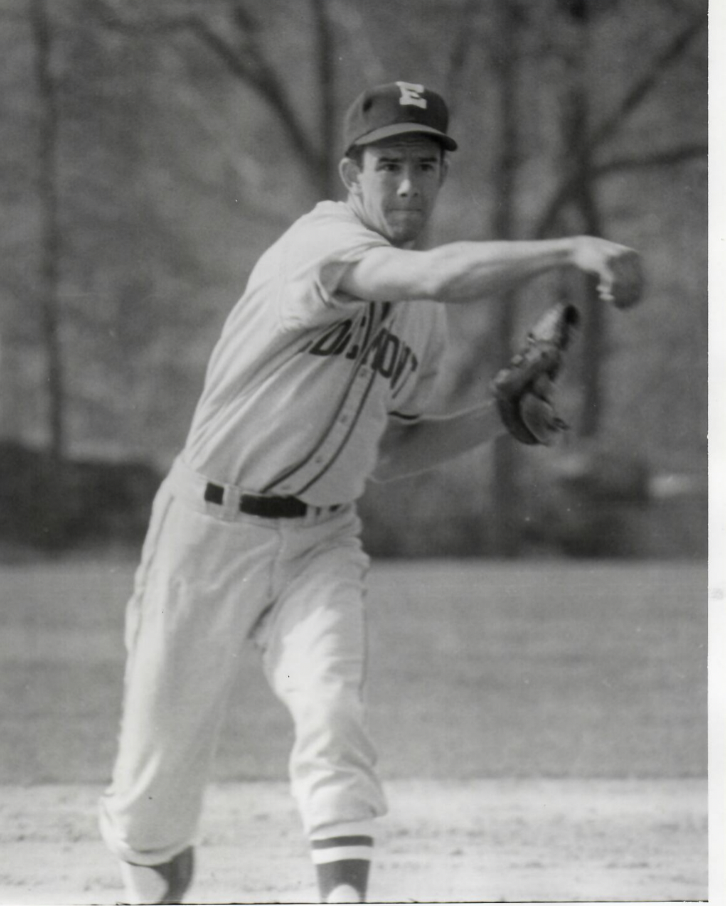
Rick Wolff at Edgemont High School
Rick was drafted after his junior year at Harvard as a second baseman by the Detroit Tigers in the 33rd round of the 1972 amateur draft.
Rick recalled receiving the big news in his book, “What’s a Nice Harvard Boy Like You Doing in the Bushes?”
“I felt like exploding. I felt like running out of the house and into the street to shout to the world the incredible news. Imagine, after all the years of sweat and strain, of ups and downs, of successes and failures, to be chosen as one of the select few to play pro ball! It was simply a glorious, wonderful feeling.”
Of course, not all of his Harvard classmates understood the level of elation that Rick was feeling. One pal, after hearing the news, “cackled over the absurdity of someone taking a year off from Harvard to play a little boy’s game.”
After signing with the Tigers, Rick played for the Anderson Tigers in the Western Carolinas League, where he hit .246 with one home run and 26 runs batted in. The following year, Rick played for the Clinton Pilots in the Midwest League. He hit .229 with one home run and 25 RBI.
While Rick’s minor league career may have not taken him to the big leagues as a player, it cemented baseball’s role in his life. Not only did Rick’s time with Detroit help him secure his first book deal, but it also proved that he was able to incorporate the game into his professional life, no matter what kind of work he was pursuing.
He became a prominent book editor, working with best-selling business and sports authors (and athletes!) who all credited Rick with having the vision, the tenacity, and the brilliance to help them achieve their goals.
He became the first ever team psychologist for the Cleveland Indians (now Guardians) where he worked with major leaguers on supporting their mental health in order to improve their on-field performance, resilience, and general well-being.
He became a beloved college coach, working with the baseball team at Mercy College, posting the highest winning percentage in school history with a 114-81-3 record.

Coaching at Mercy College
He became a nationally recognized sports parenting expert, speaking with parents, coaches, and kids on how to get the most out of their athletic careers at any competitive level. He made appearances on Oprah, “The Today Show,” ESPN, and other major television networks. He wrote countless articles for Sports Illustrated, The New York Times, and other major publications as well as dozens of critically acclaimed books.
He became a mainstay WFAN radio host, broadcasting his show, “The Sports Edge” for 25 years, answering topical questions on how youth sports was evolving and how parents and coaches could best support the kids playing the game.
And he even returned to the minor leagues at the age of 37, making a one-series comeback with the South Bend White Sox of the Midwest League, finishing the series 4-for-7 with a ground-rule double, three RBIs and a .571/.556/.714 slash line.
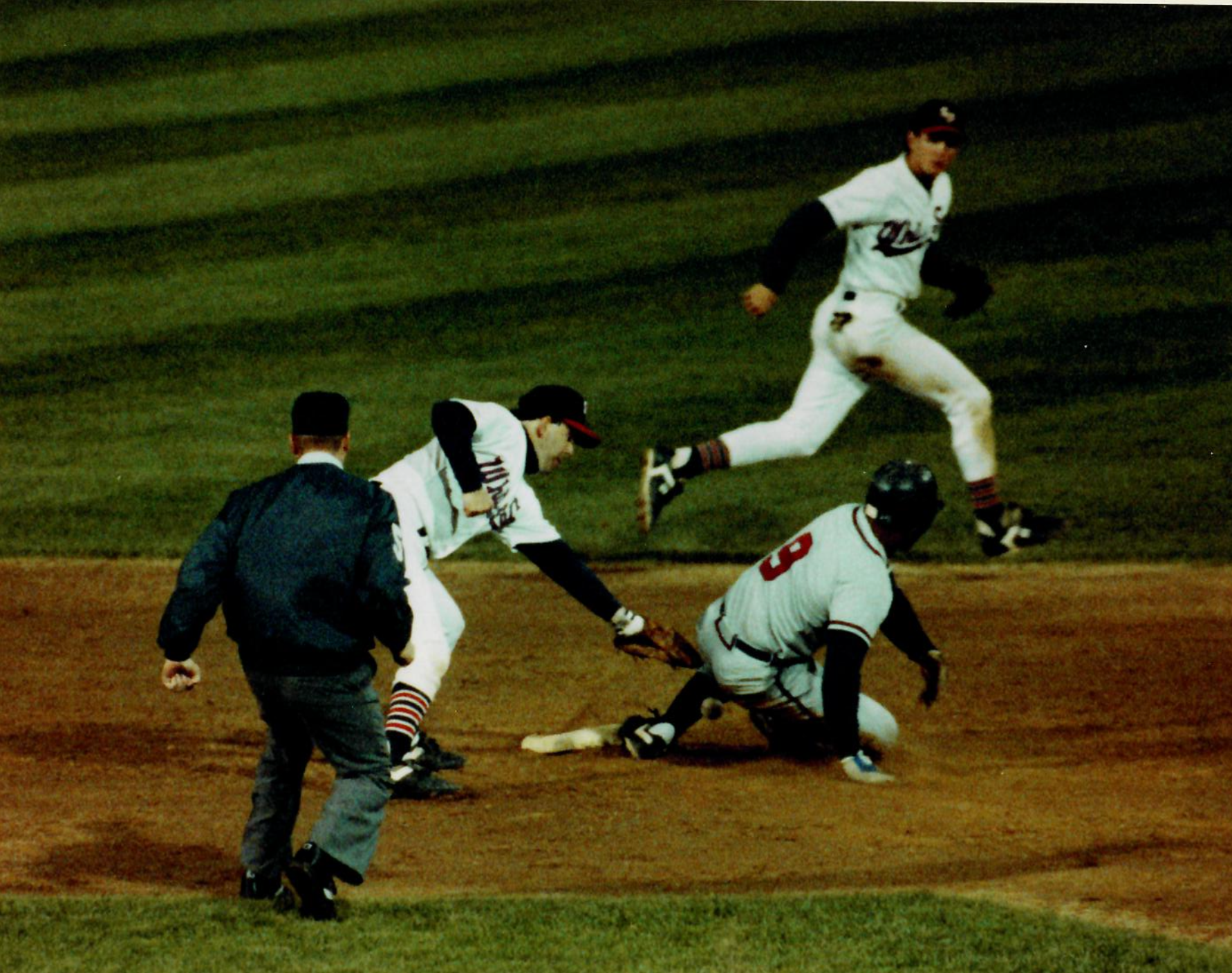
Rick Wolff playing in South Bend
In his Sports Illustrated piece about the big return, Rick wrote, “For a brief moment, I had been able to go back and experience minor league ball again: The unique smell of fresh pine tar. The grainy grip of a wooden bat. The sound of spikes clacking on a cement runway. That final pregame rush of adrenaline as you stand at attention during the national anthem. The playful but biting wit of teammates. And, of course, the pure joy of hitting a pitch solidly for a base hit.”
Rick didn’t just love baseball. It was a part of him. And his impact on the game will be felt for many generations to come.
The Wolff family would like to thank Rene LeRoux, Kevin Gallagher, and Pat Geoghegan for their support in this induction process.
Remembering Rick Wolff

With great sadness, we announce the death of Rick Wolff on April 10th, 2023 following a brief battle with brain cancer.
A nationally recognized sports parenting expert, Rick was the host of a popular weekly radio show, The Sports Edge, on WFAN in New York City. As his friends, family, and fans can attest, hosting this show was the source of much joy in Rick’s life since it began in 1998. He had been a featured expert on Oprah, ESPN, CNN, ABC’s “NightLine”, ABC’s “20/20”, The Today Show, Good Morning America, CBS This Morning, Fox & Friends, Fox Business, CNBC, PBS, A&E, MSNBC, Court TV, Lifetime, SportsChannel, the Madison Square Garden Network, as well as dozens of other media outlets.
Rick also enjoyed a storied career in book publishing as a highly sought after New York Times #1 best-selling editor. One of his best-known successes includes Robert Kiyosaki’s Rich Dad Poor Dad, which remained on the New York Times bestseller list for close to seven years. He also edited a number of other major bestsellers, including Jack: Straight from the Gut by Jack Welch, On the Brink by Hank Paulsen, Leading with the Heart by Coach K., How I Built This by Guy Raz, Call Me Ted by Ted Turner, Without Their Permission by Alexis Ohanian, How I Play Golf by Tiger Woods and countless other successful titles.
An author himself, Rick authored or co-authored 18 books including his most recent title, the highly-acclaimed Secrets of Sports Psychology Revealed, published in 2018 by Skyhorse. Rick was also a former professional baseball player in the Detroit Tigers’ organization, who was then hired by the Cleveland Indians as their very first roving sports psychology coach from 1989-94.
Rick graduated magna cum laude from Harvard in psychology and received his master’s degree in psychology with high honors from Long Island University.
While his professional achievements were many, Rick was most proud of his family: his wife of over 40 years, Trish, his son John, his daughter-in-law Karin, his daughter Alyssa, his son-in-law Noah Savage, his daughter Samantha, and his son-in-law Sean O’Connor. He was also the world’s greatest “Pops” to his grandchildren Riley, Skylar, and Henry.
To know Rick or Dad or Pops was to love him. He was wise, thoughtful, sharp, funny, incredibly smart, and truly just a wonderful person. In his honor, please remember to never give up on your dreams. He never did, even after so many of them had come true.
If you would like to leave a tribute to Rick, please feel free to use the contact form on his website. Donations can be made to St. Jude’s Children’s Hospital.
ARE COLLEGE COACHES NO LONGER TRYING TO COMMuNiCATE?
Something weird is going on in youth and amateur sports. I honestly don’t how to say that more bluntly, but my sense –my gut – tells me that youth and amateur sports and what they stand for in this country are beginning to go in a different and unexpected direction.
And that’s disturbing.
Look, we all know that Life is all about change….and as sports parents, part of our job is to teach our kids about change, and how change affects their lives and their sport
I’m not saying change is good or bad….it just is. And we have to make our kids understand the concept of change in sports....if they don’t, well, their athletic career could be a lot shorter than they expected.
But the good news is that – when it comes to kids – they tend to be more acceptable to change in sports than the sports parents are.
Let me more specific: There were a couple more incidents from the world of college sports over the last few weeks that caught my eye, and I wanted to share them with you to see if you felt these situations were handled correctly.
And let me just say up front that both of these incidents involved head college coaches were women – experienced, respected, and successful as coaches at the D-1 level – and yet, as these two stories were reported. I wasn’t sure how to react.
The first article ran a few weeks ago in the Boston area and it focused on the long-time women’s ice hockey coach at Harvard, Katey Stone.
Coach Stone – who I don’t know – has been at Harvard since the mid 1990s, and her list of accomplishments is truly spectacular. Lots of Ivy League championsips, dozens of All-Americans, great student-athletes, and so on. Her record pretty much speaks for itself.
And yet, this article tended to focus more on the underbelly of her program….how the players felt when they couldn’t communicate with the coaches, or they didn’t feel that some of exercise drills were appropriate, or that it was difficult to get through to see the head coach. As a result a number of top players had quietly quit the team over the years. There didn’t seem to be any explanation as to why this “tradition” at Harvard hockey continued.
The second article focused on the former women’s head lax coach at Colgate University.
Many of the accussations that came from the Colgate players were similar to the Harvard program – too demanding in terms of practices and games, the coaches were tough on the kids, this was D-1 hockey with a big emphasis on winning.
Colgate University women’s lacrosse coach Kathy Taylor allegedly ridiculed players over their weight, dismissed their mental health concerns and pushed them to play through injuries that shortened their careers, according to players interviewed in a months-long USA Today Network investigation. These interviews took place over the last several years.
In short, some twenty players have left the Colgate team before graduation since Coach Taylor took over the program four years ago.
Some players say they were pushed out by Taylor, a legendary figure in upstate New York lacrosse circles who became a leading voice for fellow coaches as president of the Intercollegiate Women’s Lacrosse Coaches Association. Others left on their own due to injury or because they didn’t want to play for Taylor. Whatever the reason, a lot of top players at Colgate left.
In other words, in both programs the coaches made it clear that their college team that was devoted to winning . That seemed pretty clear in both articles. And yes, there were college kids who got hurt, or got bored, or who wanted to do something else in college besides play hockey.
That is all true. In college athletes – male and female – lots of top athletes decide for whatever reason -- often decide to walk away. But the real question is why do we still have this communication disconnect at the elite levels of amateur sports. The callers today brought up points that are rarely discussed. Listen here: The Sports Edge with Rick Wolff
WHY DO SO FEW HIGH SCHOOLS HAVE SHOT CLOCKS FOR BASKETBALL GAMES?
Just know this: when it comes to HS basketball games, and the use of shot clocks in the games to move the action along, it all really all depends where the game is being played.
The state of Oregon recently passed legislation that made it the 12th state in the country that mandates the use of shot clocks at HS basketball games. That’s right….Oregon is now just the 12th state in the Union to mandate shot clocks at HS games.
Let’s first put this into perspective. If you’re a basketball fan, you know the NBA uses a shot clock. So does the WNBA. And so does the NCAA with college basketball teams. And do travel and club baskeball teams, as well as AAU basketball teams.
So, wouldn’t it make sense just to keep pace with the pro and college teams, that you would assume that the HS teams all over the country would use shot clocks in their games, correct?
True confession. That’s certainly what I assumed. And I was flat out wrong.
Turns out that there are 38 states in the US where shot clocks are NOT used in the games. Whoa. That’s a lot of HS teams where, if the coach decided to slow down the game into boring“stall ball,” well, the coach has the right to do that.
Bu you ask - why would a HS basketball coach NOT want to have a shot clock? A lot of this recent debate stems from a HS game played in Oklahoma (where shot clocks are not allowed). The coach of the weaker team decided that if he could somehow play a slow-down, no offense game, his team might have a chance to pull off a major upset. Final score? The better team won 4-2.
Ardent supporters of the “no shot clock” philosophy point to “exciting” 4-2 game like this as why we need not have shot clocks. Or they claim the cost of installing shot clocks into a gym would be prohibitive (cost of approx $2000). From my perspective, these kinds of arguments seem kind of weak. But then. the vast majority of the states are fully supportive of no shot clocks. And even more so, there is very little push forward to make any changes
Take a listen to my radio show this AM on WFAN Sports Radio (New York City). We had lots of heated opinions from lots of basketball experts.
My sense is that something is going to change. The only question is when? Listen here: The Sports Edge with Rick Wolff
WHAT WILL YOUTH/AMATEUR SPORTS BE LIKE TEN YEARS FROM NOW?
So let me ask you this: what are youth and amateur sports going to be like in 10 years?
Will they — and the sports parents and coaches — be even more out of control?
Or will we see a kind of reversal where sports parents finally demand and insist on better behavior from spectators at games?
Will the issue of the decline of enough refs just continue on?
Will we see obnoxious sports parents get arrested and fully prosecuted?
Will more and more ambitious kids leave HS sports and turn instead to travel and club?
Will the better HS coaches follow those more talented kids?
Or will we see more and more kids just quitting sports at earlier ages?
Or will more kids focus and specialize in one sport?
I asked this very fundamental question about the future of youth sports on my radio show this morning, and I opened the phone lines. The responses and reactions were remarkable and thoughtworthy in every way.
As for me, I really do sense that the time has come for a national movement, such as a Commission of Youth Sports to be organized, and to galvanize sports parents all over the USA – to try and enforce some civility and respect back into our kids’ games.
Listen to the show here: The Sports Edge with Rick Wolff
WILL BASEBALL’S NEW RULE CHANGES ATTRACT YOUNGER KIDS?
Starting in a week or so, right with the beginning of Major League Baseball’s spring training games , MLB has decided to change lots of rules. They have added a pitch clock to speed up the game....pitchers are allowed only two throws to first base with a runner on...balks will be called more often....there will no more defensive shifts in the infield...the bases on the field are bigger, which makes it a shorter distance to steal a base in the hope there will be more attempts at stolen bases....they are going to keep the ghost runner on second in extra innings....in short, there are lots of changes taking place to the National Pastime
Why is MLB doing this? By most accounts, there’s a sense that baseball games are just too long and boring due to a lack of action. And MLB feels that a way to correct all of this is by adopting these various changes. Only time will tell this spring whether these ideas are good ones or not so good. But the real question that a lot of baseball lifers ask is whether these various changes will actually make a difference in attracting younger fans to the game of baseball.
To me, that’s the real question. I asked Dom Scala, the former star third baseman at St. John’s University, who was a high draft choice of the Oakland Athletics, and when his playing career was over, he served as a long-time coach with the Yankees and for 18 years was the head baseball coac at Adelphi Unversity. Dom was inducted into the NYS Baseball Hall of Fame in 2021.
I wanted to get Dom’s take on all of this. His insights, along with the callers, made for a fascinating conversation. Listen to it here: The Sports Edge with Rick Wolff
TEENAGE ATHLETES AND THE LURE OF SPORTS GAMBLING
Today is Super Bowl Sunday, and in what has become a Sports Edge annual tradition, while we want everyone to enjoy the big day of NFL football, we also want to help give sports parents a strong warning that they need to be aware of their kids wagering on the big game.
For close to 20 years, each Super Bowl Sunday, I have asked Don R from Gamblers Anonymous to come on the show to talk about this growing issue with underage kids making bets. Close to 40 states in the nation have legalized various forms of sports gambling. In other words, I fully accept that wagering exists, and is legal in most states. That’s a given.
But - and this is important - because it’s well established by the medical community that gambling can become a most addictive disease for a certain percentage of our population, the sooner that sports parents can pinpoint the telltale signs of their kids wagering, the sooner parents can take proactive steps to try and intervene in a positive way.
Gamblers Anonymous Hotline is 855-222-5542. Or go to GamblersAnonymous.org
Look, the simple truth is that we all know that billions of dollars are wagered by college and HS kids who are underage: that’s a real concern. As Don points out on the show, a few years ago kids did their gambling online. But now, they use their cellphones. That makes it even more difficult for parents to keep track of what their kids are doing. Especially if they have a credit card at their disposal.
There are numerous studies that point out that anywhere from 4-7% of our kids -- ages 12-17 - meet one or more criteria of having a serious gambling problem. Again, the legal age to gamble in most states is 21. Another 10-14% are at risk of developing an addiction, which means that they already show signs of losing control over their impulsive gambling behavior.
In short, we’re talking about millions of teenagers running into difficulties with a gambling addiction. I urge you to take a moment to listen to what Don R from Gamblers Anonymous has to offer. Listen here: The Sports Edge with Rick Wolff
CELEBRATING 25 YEARS OF RICK WOLFF’S SPORTS EDGE SHOW
Today marks the 25th anniversary of my doing the Sports Edge on WFAN Sports Radio.
In this day and age of shows coming and going very quickly, being on the air for a quarter century is a notable milestone.
For those of you who listen to the show on a regular basis, you know that this is not a program devoted to just about kids in sports. Hardly. This hour program on Sunday morning is focused on pinpointing and debating the key and critically important issues of being a sports parent, or a coach, or an educator in our society of ever-changing pressures on kids in sports.
Just consider last week’s Sports Edge, when we talked about the impact of sports parents who feel entitled to act and shout however they want at their kids games, and how that obnoxious behavior has now led to a major drop in the number of game officials, and how each state legislature now has to go back and add strong punishments to their laws in order to serve as deterrents to these out of control sport parents and fans.
Unless we do something proactive now, the problem of entitlement is only going to get worse. And ultimately, it’s our kids who will suffer from the antics of out of control parents at our youth and amateur games.
All that, plus some personal thoughts from yours truly about doing my show for 25 years and how the world of sports parenting continues to change all the time. Listen here: The Sports Edge with Rick Wolff
THE TIME HAS FINALLY COME TO PUNISH OUT-OF-CONTROL SPORTS PARENTS
We have noted for years on the Sports Edge radio show that, unfortunately, more and more sports parents have begun to feel more and more entitled at their kids’ games. That somehow, sports parents have an attitude that they have every right to be obnoxious, to yell and scream at the refs, umps, and officials, and at times, to physically assault them.
As this kind of unchecked behavior continues to rise, we have also seen a consistent decline in the number of officials who want to work kids’ games. The major reason why? Who wants to work a HS game or travel game, only to be threatened by angry sports parents?
As we’ve discussed, more and more HS games are being re-scheduled because of the lack of available refs to work the games. And by all accounts, this issue is only going to be worse as the older refs and umps decide to retire. There just aren’t enough new ones coming along to replace them.
And now, there’s a new law making the rounds in NJ that would put some real teeth into handing out some major punishment if a sports parent verbally or physically threatens a game official. This new law, from Assemblywoman Vicky Flynn, is proposing a possible 18 months in jail and thousands of dollars in fines to those who break the law.
In other words, this is a real attempt to let obnoxious parents and fans know that if they misbehave, then they truly will risk going to jail and paying a substantial fine. The idea, of course, is to use this new law as a strong deterrent to get nutty parents to think twice when they’re at their kids’ games.
So why has the time finally come to take serious action?
Because while it’s true that most sports parents do behave in a proper way at their kids’ games, there’s still a certain hard-core percentage who feel entitled to walk into any gym, or to stand on the sidelines at a kids’ game, and scream obscenities or make threats to the refs, or even the coaches.
You know what I’m talking about. All the other parents sit in the stands, and don’t know what to do. That is, do you personally go to that parent and ask them to calm down? Or do you go and find a security officer or the AD and report the problem? Or if there’s a police officer at the game, do you go to them?
Instead, the fallout is that we see more and more refs quitting. We see sports parents becoming even bolder in their negative actions. And if they are ever arrested, they usually just pay a small fine and are given a lecture and released.
That’s why the time has FINALLY come to put some real strength into these sports parenting laws…and then let’s see what happens why a crazed sports parent is arrested and is convicted and goes to jail.
Let me introduce you to my guest, Russ Petrocelli, who is the highly-respected principal at Depaul Catholic HS in Wayne, NJ. Russ has spent more than 30 years in both public and Catholic education as a teacher, administrator, trustee, and president of the Board of Education. Russ is also a Member of the New Jersey State Interscholastic Athletic Association (NJSIAA) Executive Committee, and currently serves as a Vice President of that Association.
In short, you couldn’t find a better qualified individual than Russ to talk about these issues. Listen to the show here: The Sports Edge with Rick Wolff
HOW CAN one FIND A CAREER IN SPORTS?
I want to return to a guest and a topic that I discussed some months ago on the Sports Edge. Quite frankly, it’s a topic that for many athletes and sports fans that they truly wish they had more information, direction, and guidance about.
I’m talking about how does a sports enthusiast find his or her way into a career in sports once their own playing days are over. Or when they realize that they were not blessed with exceptional athletic skills, but they still want to pursue a career in sports.
Look, we all know that only a very, very tiny fraction of aspiring young athletes ever are good enough to sign a pro contract and to make a career as a professional athlete.
The truth is, lots and lots of youngsters would love to find a way to stay involved in sports in some way for their careers, perhaps as an on-air commentator or in some sports-related business once their own playing days come to an end.
But how does one do that?
Yes, there are several college and graduate programs in sports management in existence. But even if one gets their degree from these programs, it’s still a challenge to find one’s way into a very competitive field – a field that pays very, very little at the start, although we all know that those at the top can make serious big-time salaries.
To that end, I am eager to welcome my guest, Larry Berger, back to talk about a career in sports – with a real focus on those kids who want to find a way to stay close to sports in any kind of sports business. Larry Berger is Senior Coordinating Producer with USA Today Sports, and in his work, he routinely interviews top athletes. He’s held this position for close to a decade, and before joining USA TODAY, he worked at MSG Varsity, and before that for the NBA.
He provides real insights on how aspiring sports fans can really find a way to make that jump, from how to make professional relationships to deadling with rejection, this show is definitely worth listening to. Listen to it here: The Sports Edge With Rick Wolff
FINDING A WAY TO PROTECT REFS: A LISTENER WRITES IN
A note from Rick Wolff: We all know that, sadly, amateur sports all over this country continue to make negative news too often. But that being said, I do believe that there’s a solid core of coaches, parents, and refs out there who are eager to get sportsmanship, civility, and respect back on track.
I don’t know Bob West, but I wanted to share his email and platform with you. As you’ll read, he’s doing some truly important and essential work to make sports safe again. God bless him!
Dear Mr. Wolff: My name is Bob West, and I was the wrestling referee that was headbutted in Colville, WA in 1996, by a HS wrestler and knocked unconscious. I enjoyed your podcast on the decline of sportsmanship and interview with Bob Delaney. I am presently writing a book called "Rage on the Field" and the decline of sportsmanship today, which should be published in the next few months. I have a website I maintain at www.ur-safe.org (Umpires and Referees Stopping Assaults for Ever.) Most important it has archives of assaults against sports officials going back to the 1960's at all levels. I have worked with NASO over the years as a staunch advocate and also will be pursuing legislation in Washington State (HB1096) that would make assaulting a sport official a class C felony. If your listeners need any info or help pursuing legislation in their area to please contact me at 509-992-2939 c or refman50@comcast.net. I was able to get a resolution passed but am hopeful to get this bill across the finish line. Thanks for all you do. Bob West.
sports parents who meddle: WHAT A BLACK EYE FOR US SOCCER
People ask me all the time about “What’s the biggest ongoing issue when it comes to conflicts between sports parents and their kids’ coaches?”
The answer is an easy one – the number one complaint that parents have always focuses on their kid’s playing time.
As in, “Why doesn’t the coach give my youngster more playing time in the games? Can’t the coach see how terrific my youngster is?”
And as more and more of today’s sports parents become more and more heavily invested in their kid’s athletic career – including the devotion of time, finances, and emotions – parents become quickly frustrated if – in their opinion – their child isn’t playing enough in the games.
Problem is – of course – if every sports parent is feeling this frustration, then life can become very difficult very fast for the coach.
Now, let me ask you this: Do sports parents ever get so angry and upset as to try and make hurtful accusations at a coach in order to fight back if they feel their kid was not given enough playing time?
The US Men’s National Soccer Team decided not to renew head coach Greg Berhalter’s contract; it expired a couple of weeks ago. But then it was revealed that a couple of sports parents – Danielle Reyna and Claudio Reyna – had been so apparently so outraged that their 20-year-old son Gio had only played sparingly in the World Cup that the parents felt compelled to tell US Soccer that in 1991 – when Greg Berhalter was 18 years old – one evening he and his then girlfriend had been drinking heavily, they got into an argument, and in a moment of exasperation, Berhalter lashed out and kicked his girlfriend in her legs.
Greg Berhalter was so embarrassed and remorseful about this outburst when it happened three decades ago that he sought counseling for anger management. But the good news is that he and his girlfriend got back together, they got married, and have had 4 kids, and still remain married today.
Fast forward to 2022. Gio Reyna is on the US Men’s team, but as noted, didn’t play a lot in the World Cup games. His parents decided to let US Soccer know about what Berhalter did 31 years ago, and sure enough, US Soccer decided not to renew his contract.
This, to me, sets an all-time low when it comes to sports parents meddling on behalf of their kid.
Why would US Soccer decide to use this as an excuse to fire Berhalter? This opens the door to every angry sports parent who wants to “get back” at their kid’s coach and get them fired. We had some important calls this morning. Listen here: The Sports Edge with Rick Wolff
WHAT SPORTS PARENTS NEED TO KNOW ABOUT YOUNG ATHLETES AND CARDIAC CONCERNS
We all know – as adults – that life is precious and fragile. We know that. Whether we like it or not, that’s the grounds rules for life.
And to me, one of the main reasons why so many of us keep coming back to sports is that because athletic games are such a far cry from the cold, hard realities of life – and death. We all prefer the joy and fun that sports bring to us and to our kids.
Maybe that’s why we were so horrified when Buffalo Bills safety Damar Hamlin made a tackle, stumbled backward and collapsed, and then was immediately swarmed by medical staff on the field to do CPR on him.
Yes, we all know that all sports carry an “assumption of risk of serious injury.” But while we recognize that, understandably, we sure don’t like to talk about it.
As sports parents, we all want our kids to go out and play sports because - in the long run - the positive benefits of playing sports far exceed the risk of getting hurt. Of course, the Hamlin case gives us serious pause — and thank God he is making excellent progress.
The question is – as sports parents, how do we cope with the reality that our child might get hurt, and in particular, suffer from a serious heart ailment? To help us walk through these pressing questions, I want to welcome back to the Sports Edge, Dr. Franklin Zimmerman. Dr. Zimmerman is Senior Attending Cardiologist, and Director, Cardiac Rehabilitation at Phelps Memorial Hospital/Northwell Health in Sleepy Hollow, NY. He is considered to be one of the nation’s experts on heart issues.
In short, this is a most important show. Listen to it here: The Sports Edge with Rick Wolff
A LOOK BACK AT THE YEAR 2022
The start of every New Year always brings hope and optimism. A fresh start also gives us a moment or two to pause and to reflect on the year just passed.
But in 2022, there were all sorts of sports parenting headlines that, in many ways, show how difficult being a sports parent, or coach, or a ref/official/ump has become.
On this Sports Edge show, I’ve gone back and have tried to summarize the biggest stories of the year: everything from the impact of NIL and the transfer portal, to the increasing lack of civility at our kids’ HS games, to the worrisome issue that more and more parents feel “entitled” to say and do outrageous things at youth games, to more and more HS refs just quitting, to how Little League Baseball didn’t step in to “do the right thing” in a key playoff game, to trying to figure out what’s the most equitable way to treat transgender athletes who compete, and on and on.
The truth is, 2022 was a most remarkable year for a variety of reasons. To me, it’s always a good idea to take a look back to see where we’ve been so that we can, hopefully, get a better sense of where we’re going. Listen here: The Sports Edge with Rick Wolff
a sports parenting checklist for 2023
On this AM’s Sports Edge, I thought it would be the perfect time to spend the hour talking about what every sports parent needs to know about — and what they need to pay attention to — with their child when your kid is learning about youth sports and beyond.
There are a number of items to check off your sports parenting checklist, and today we’re going to review them in a chronological order. I’ve never attempted this before on the show, so please bear with me. But I do think this overview is important and very timely.
I’ve noted on the Sports Edge many times that sports parenting has only become increasingly complicated over the years, and doing a show like this is an attempt to reinforce some of the basic guideposts that all sports need to keep in mind.
So take a few moments to listen in, and see what you think. Listen here: The Sports Edge with Rick Wolff
HOW TO STOP THE DECLINE IN HS REFS: A 25-YEAR NBA OFFICIAL PROVIDES IMPORTANT THOUGHTS
Bob Delaney has had a most unusual life. Not only was Bob a NJ state trooper who went undercover in the 1970s to infiltrate the Mafia, and he did so successfully, leading to the arrest and prosecution of 30 gangsters. But while he was doing this, he was looking ahead, and along the way, he was learning the ropes of being a basketball ref.
It was a smart move. Because Bob was so good as a ref that he eventually made it all the way to the NBA and worked for 25 years in that league, doing thousands of games, including playoffs and NBA finals. He started in the NBA in 1987 and remained as one of the league’s premier refs until he stepped down in 2011.
And in addition, Bob has a new book out that he’ll be talking about as well. The book is entitled: Heroes are Humans: Lessons in Resilience, Courage, and Wisdom from the Covid Front Lines. It’s a gripping read and most timely.
One of the reasons why I wanted to have Delaney on the show is to get his thoughts about the alarming national decline in terms of having enough refs and officials to work HS sporting events. We know that much of it is attributed to the obnoxious behavior of parents and other fans at the HS games, and that more and more refs are quite frankly fed up with this kind of verbal abuse.
Too many sports parents these days seem to have developed a sense of “personal entitlement” to yell anything they want at a kids’ game - and their vitriol is usually aimed at the refs. It’s clearly out of control. There’s no more sense of civility in watching our kids play.
Delaney has seen it all, and he presents some fascinating insights about this growing national dilemma. He talks about the lack of civility that now grips youth and HS sports in this country, along with his thoughts on adapting instant replay at the HS level, and much more. This is “must listen” radio. Listen here: The Sports Edge with Rick Wolff
THE PERPLEXING RELATIONSHIP BETWEEN TITLE IX AND BOOSTER CLUBS
I have two issues I want to discuss with you, because they are very often intertwined with each other.
The first one is the impact of Title IX, and what that 50-year-old federal law really means at the grass roots level – especially when it comes to making sure that HS sports are fair and equal across the board.
And the second issue that I want to cover is the impact that HS athletic booster clubs can often have when it comes to the implementation of Title IX.
Let’s start with the basics: Title IX was passed in order to make sure that all boys and girls have an equal and level playing field when it comes to sports.From what I can tell, everybody cheers this law, and for the most part, it was worked extremely well over the years.
For example, it means that all high schools which receive federal funding must make certain that there is no favoritism ever shown to one sports program over another, especially when these are programs where girls and boys are included. That is, if the boys HS basketball team gets new uniforms for the upcoming season, well, the girls definitely should be getting new uniforms. That’s the impact of Title IX: equal means equal.
You get the idea.
But what happens when a bunch of eager sports parents decide to start a booster club for their kids’ HS sports team? Like, say, the football or baseball team? You all know about booster clubs: traditionally, they are started by active and enthusiastic sports parents who want to show their support for their kid’s team by doing fundraisers or just providing monetary donations to the booster club.
Nothing wrong with that, right? But let me ask you this.
Do all of the financial proceeds from that booster club go solely and only to that team? That is, you and a bunch of parents start a booster club to primarily benefit the HS football team. Under Title IX, should a good chunk of that cash be directed and shared by ALL of the school’s teams? Judging from the calls this morning, there’s a lot of confusion about all of this.
This is admittedly complicated stuff. But it;s important. As one caller pointed out, there was a recent survey by a major women’s athletic organization that contended that 80-90 percent of all schools administrators do not understand this issue well. That’s surprising and disappointing. Take a listen here: The Sports Edge With Rick Wolff
MORE ON THE GROWTH OF SOCCER: WHY THE NEXT GENERATION OF ATHLETES HAS EMBRACED IT
The talented but young American men’s soccer team ran into an experienced and very skilled Dutch team in the World Cup and was eliminated from the tournament by the score of 3-1. But by all accounts, the amount of media attention that was paid to the American team was amazing and extraordinary.
But as the World Cup competition continues on without the US, the question now becomes: what happens next to America’s growing love affair with the sport? Or do we just forget about it until the next World Cup, which takes place in four years and will be hosted here in the US/Mexico/Canada?
Or are there other forces and factors involved in the sport that will help to maintain and drive its momentum here in the US?
I felt it was important to ask that question on my WFAN Sports Radio show this morning, and what I heard from the listeners was fascinating - that in short, thanks to so many European and Mexican soccer league games having been shown on American TV over the last decade, it’s our younger generation of soccer fans has now embraced the sport and are turning more and more to soccer rather than staples like, say, baseball or ice hockey.
The comments from the listeners were both insightful and important. The truth is, soccer has been here in this country for decades, but it’s only in the last few years that it has started to finally take root. Was showing the foreign leagues on TV the real reason why? Take a listen here: The Sports Edge with Rick Wolff
THE AMAZING GROWTH OF SOCCER’S POPULARITY IN THE USa
Clearly the entire world has been focused on the World Cup tournament, and while the NFL, NBA, NHL, and college football continue to chug right along, right now it seems to be all about the men’s national soccer team and whether they can advance to the next round.
I have several questions for you. For starters, how was soccer able to become a growing phenomenon in this country? That is, it wasn’t as though soccer didn’t exist here until recently. Soccer has been played in the US at the HS, collegiate, and pro level for a good long time.
But something happened to soccer over the last 20 years in this country. Somehow, the interest in the game has grown exponentially. There’s no refuting that. And that’s in total contrast to a sport, like, say, baseball which seems to have gone in a totally different direction with young American fans.
Now, to you, this may not be a big deal. But to someone like myself, who has been involved in sports his entire life, I find this transition to be most remarkable.
Is it because we, as sports parents, raised an entire generation or two of young kids whose very first introduction to competitive sports was AYSO Soccer. American Youth Soccer Organization starts for youngsters when they are 5 or 6.
Is the legacy of AYSO the major reason why so many young people today are so attracted to soccer?
Is it because there’s been so much media attention paid to the World Cup and to pro leagues around here like Major League Soccer?
Is it because the US women’s national team has not just done well, but has dominated the World Cup competition in recent years?
I ask these questions, because – at least when you consider the men’s national team and their less than impressive soccer accomplishments – soccer has never been more popular in the US. Take a listen to this morning’s show. it provides a real overview of how soccer has become an “overnight” sensation in the US after decades of trying. Listen here: The Sports Edge with Rick Wolff